
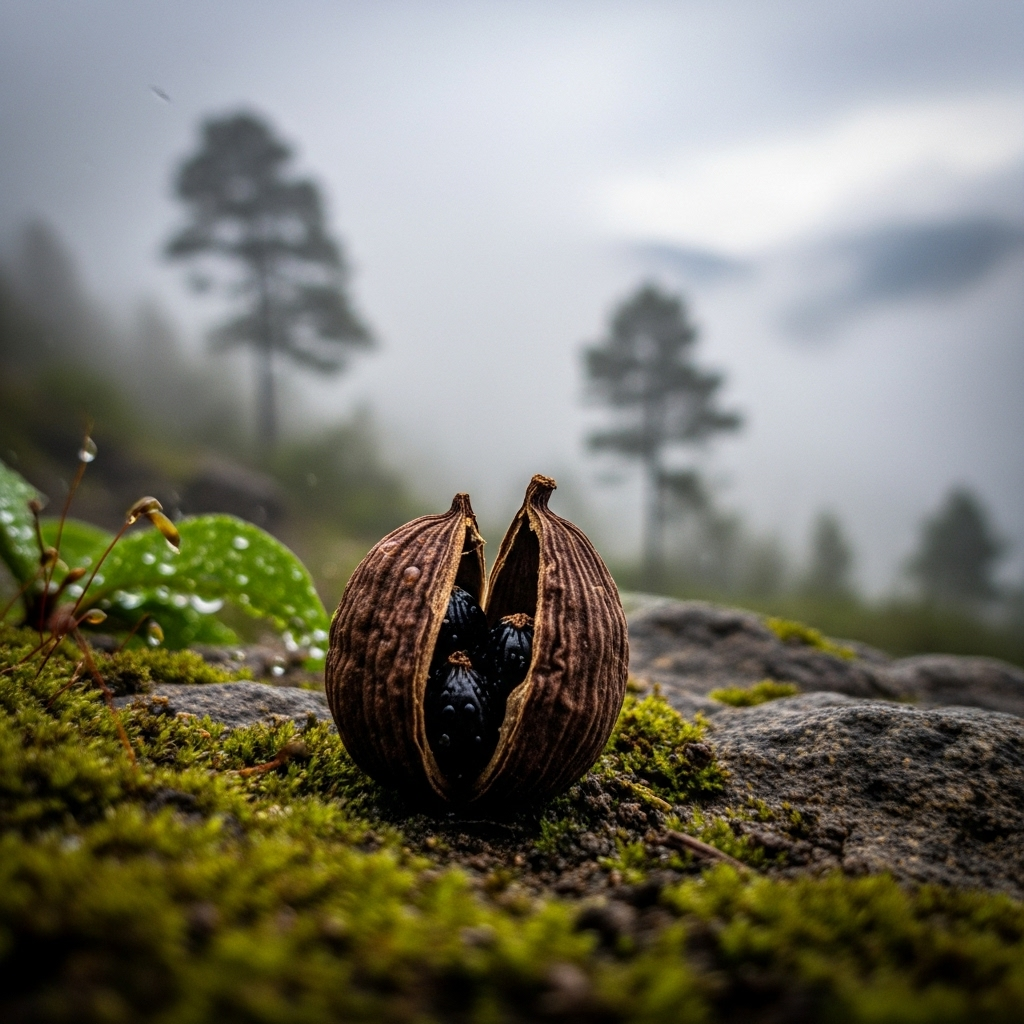

In the misty highlands of the Eastern Himalayas, where ancient trade routes once carried precious cargo between civilizations, grows one of the world’s most distinctive and powerful spices: Black Cardamom (Amomum subulatum). Known as the “Queen of Spices,” this remarkable aromatic treasure has captivated cultures for over 4,000 years, weaving itself into the fabric of culinary traditions, medicinal practices, and spiritual beliefs across continents.
Unlike its more familiar green cousin, black cardamom offers an intensely smoky, earthy flavor that transforms ordinary dishes into extraordinary culinary experiences. This comprehensive guide explores the fascinating world of black cardamom, from its mythological origins and scientific properties to its modern applications and health benefits.
The Divine Origins: From Mythology to Reality
Ancient Legends and Sacred Beginnings
The story of cardamom begins not in earthly gardens, but in the realm of gods and cosmic forces. According to Hindu mythology, cardamom emerged from the primordial ocean during the legendary Samudra Manthan – the churning of the cosmic sea. In this epic tale, gods and demons united in their eternal struggle to obtain amrita, the nectar of immortality. As the great serpent Vasuki coiled around Mount Mandara and divine forces pulled at opposing ends, the churning ocean revealed its precious gifts: the moon, the goddess Lakshmi, the wish-fulfilling cow Kamadhenu, and cardamom itself.

This mythological foundation establishes cardamom not merely as a spice, but as a divine gift imbued with sacred properties and cosmic significance. The legend reflects the profound reverence ancient cultures held for this aromatic treasure, viewing it as a bridge between the earthly and divine realms.
Scientific Classification and Botanical Marvel
Amomum subulatum belongs to the Zingiberaceae family, distinguishing it from green cardamom (Elettaria cardamomum) through both its botanical characteristics and culinary applications. The scientific name itself tells a story: Amomum derives from the Greek word “momum,” meaning ‘unblemished’ or ‘faultless,’ while subulatum comes from the Latin “subula,” meaning “awl,” referencing the plant’s distinctive awl-shaped, pointed leaves.
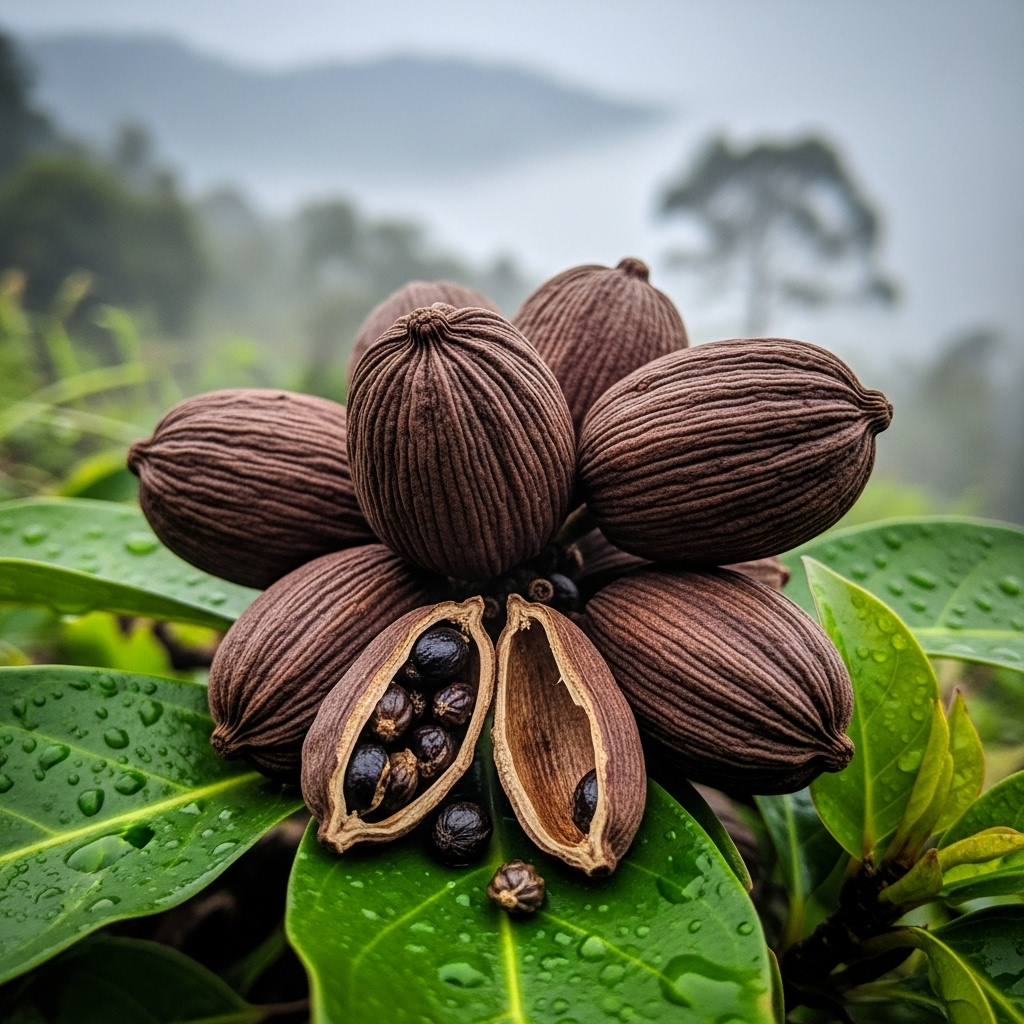
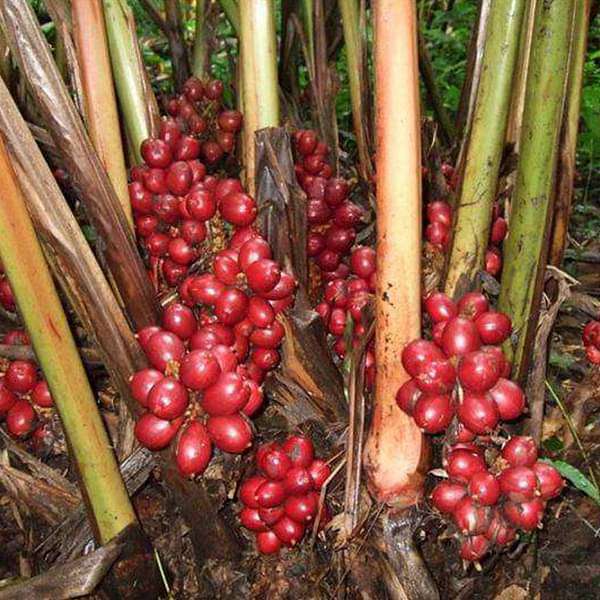
This perennial herb reaches heights of 1-2 meters, displaying red stems adorned with abundant glossy, tropical leaves. Its unique flowering pattern produces small yellowish flowers with purple stripes that emerge from dull reddish-brown rhizomes at the plant’s base. These flowers eventually develop into the characteristic rough-textured, dark brown to black seed pods that contain the prized aromatic seeds.
Geographic Origins and Natural Habitat
Black cardamom claims its nativity in the moist, mountainous forests of the Eastern Himalayas, with primary distribution across India (particularly Sikkim), Nepal, and Bhutan. The plant thrives in the unique microclimate created by elevation, moisture, and forest canopy protection, requiring specific environmental conditions that mirror its native habitat.
The slopes of the Himalayas in Sikkim represent the epicenter of black cardamom’s natural range, where centuries of wild growth and subsequent cultivation have established the genetic foundation for modern agricultural practices. This geographic specificity explains the plant’s particular cultivation requirements and the concentrated nature of commercial production in these regions.
A 4,000-Year Journey Through Civilizations
Ancient Egyptian Reverence
Archaeological evidence reveals that cardamom’s documented history extends at least 4,000 years into antiquity. The Ebers Papyrus, dating to approximately 1500 BC, chronicles extensive use of cardamom by ancient Egyptians for medicinal purposes, embalming procedures, and ritualistic practices. Beyond these sacred applications, Egyptians discovered cardamom’s practical benefits, chewing the pods to clean their teeth and freshen their breath—an early recognition of its antimicrobial properties.
The spice’s role in the embalming process was particularly significant, as Egyptians believed cardamom could purify and preserve the body for the afterlife, demonstrating their sophisticated understanding of its preservative and aromatic qualities.
Greco-Roman Luxury
The Greeks and Romans elevated cardamom beyond medicinal uses, incorporating it into luxury goods including perfumes, ointments, and aromatic oils. Roman society particularly valued cardamom as both a digestive aid and a supposed cure for overindulgence, reflecting their sophisticated understanding of the spice’s therapeutic properties. The Romans were known to chew cardamom pods after meals, while Greeks utilized it extensively in their perfumery traditions.
Trade Routes and Economic Impact
The development of cardamom trade fundamentally shaped ancient commerce and diplomatic relationships between civilizations. Indian merchants have utilized cardamom as a trade commodity for at least two millennia, with the spice flourishing along established trade networks, particularly the Silk Road and maritime pathways connecting India with the Middle East.

During the Middle Ages, Arab traders dominated the global spice trade and controlled the caravan routes connecting Asia and Europe, establishing cardamom as one of the world’s most expensive spices. The authentic fragrance and distinctive taste of Indian cardamom created substantial economic impact, contributing to what became known as the global spice trade centered in India.
The Science Behind the Smoke: Processing and Flavor Development
Traditional Drying Methods
The distinctive smoky flavor that defines black cardamom is not naturally occurring but results from a specific traditional drying process that has been refined over centuries. Unlike green cardamom, which is sun-dried or mechanically dried in chambers, black cardamom pods are deliberately smoked over open fires during the drying process.
This smoking method involves drying the pods over open flames or in specialized smokers, imparting the characteristic charred, earthy quality that defines the spice. The process not only preserves the cardamom but transforms its entire flavor profile, creating a product that functions as a bold aromatic enhancer rather than a delicate flavoring agent.
Complex Flavor Profile
Black cardamom possesses a remarkably complex flavor profile that sets it apart in the spice world. When ground, the spice releases a strong, smoky, and slightly bitter aroma that creates an almost overwhelming sensory experience. The flavor is characterized by deep, earthy notes with a distinctive charred quality that some describe as resembling burnt sugar or incense.
The aromatic profile includes hints of camphor and eucalyptus, creating a somewhat pungent and intense experience that stands in stark contrast to the sweet, floral notes of green cardamom. This robust flavor profile makes black cardamom particularly well-suited for dishes where it needs to compete with other bold ingredients and maintain its presence throughout long cooking processes.
Evidence-Based Health Benefits: Modern Science Meets Ancient Wisdom
Bioactive Compounds and Chemical Composition
The therapeutic efficacy of black cardamom stems from its rich array of bioactive compounds, including essential oils, flavonoids, phenolic acids, and alkaloids. The essential oils contain key compounds such as limonene and camphor, which are primarily responsible for many of its anti-inflammatory and digestive benefits. The spice is particularly abundant in flavonoids and phenolic compounds, which serve as the primary contributors to its antioxidant capacity.
Digestive Health Benefits
Black cardamom has established itself as a powerful digestive aid with multiple mechanisms of action. The spice demonstrates remarkable carminative properties, effectively preventing gas buildup in the digestive tract by relaxing stomach and intestinal muscles. This action significantly reduces the discomfort associated with bloating and indigestion, making it particularly valuable for individuals suffering from chronic digestive issues.
The spice’s antispasmodic properties make it especially useful for soothing digestive cramps and improving overall gut motility. Research indicates that black cardamom stimulates the secretion of digestive enzymes, which enhances the breakdown and absorption of nutrients while alleviating symptoms of indigestion, bloating, and constipation.
Antioxidant Properties and Free Radical Protection
The antioxidant capacity of black cardamom represents one of its most significant health benefits. The spice contains high concentrations of flavonoids and phenolic acids that actively neutralize free radicals throughout the body. These antioxidant compounds play a crucial role in combating oxidative stress, which is implicated in numerous chronic diseases and aging processes.
The antioxidant activity is particularly beneficial for digestive system health, where oxidative stress can contribute to inflammation and tissue damage. By providing consistent antioxidant support, regular consumption of black cardamom may help maintain cellular integrity and support overall wellness.
Anti-inflammatory Effects
Black cardamom demonstrates significant anti-inflammatory properties through its essential oil components. The presence of compounds like limonene and camphor enables the spice to calm inflammation throughout the body, with particular effectiveness in the digestive tract. This anti-inflammatory action is especially valuable for individuals dealing with inflammation caused by stress, poor dietary choices, or chronic conditions like inflammatory bowel syndrome.
Antimicrobial Properties and Clinical Studies
Comprehensive antimicrobial studies have demonstrated black cardamom’s effectiveness against various pathogenic microorganisms. Research examining the antimicrobial activity of Amomum subulatum extracts revealed significant activity against Streptococcus mutans, Staphylococcus aureus, Candida albicans, and Saccharomyces cerevisiae.
Notably, Staphylococcus aureus showed the highest susceptibility to black cardamom extracts, followed by Streptococcus mutans, making it particularly valuable for oral health applications. The antimicrobial studies utilized acetone, ethanol, and methanol extracts, with ethanolic extracts showing the most promising results.
Metabolic and Cardiovascular Benefits
Emerging research indicates that black cardamom may offer significant metabolic benefits. Studies suggest the spice can enhance metabolic rate, increasing the number of calories burned at rest, which may support weight management efforts. This metabolic enhancement, combined with increased calorie expenditure, could contribute to sustainable weight loss when incorporated into a comprehensive health regimen.
The cardiovascular benefits are particularly noteworthy. The spice contains fiber that helps control cholesterol levels by binding to cholesterol in the digestive tract and preventing its absorption into the bloodstream. This mechanism provides a natural approach to cardiovascular health support.
Potential Anti-cancer Properties
Preliminary research has identified promising anti-cancer potential in black cardamom, attributed to its high concentration of bioactive components, including flavonoids and phenolic compounds. The essential oils present in the spice show encouraging results in promoting cancer cell apoptosis (programmed cell death) while simultaneously slowing cancer cell proliferation and inhibiting the development of new blood vessels that feed tumors.
The anti-cancer mechanisms appear to extend beyond direct cytotoxic effects. Research suggests that black cardamom may modulate gene expression and inhibit specific enzymes involved in cancer development and progression. By targeting particular molecular pathways, the spice may help prevent the uncontrolled growth and metastasis of cancer cells, though more clinical research is needed to fully establish these effects.
Culinary Applications: The Art of Cooking with Black Cardamom
Understanding the Flavor Profile
Black cardamom’s robust flavor profile makes it ideally suited for slow-cooked dishes, stews, and meat marinades where its intense character can properly develop and integrate. The spice pairs exceptionally well with other bold spices including cumin, coriander, and cloves, creating complex flavor foundations for hearty dishes.
The most common cooking method involves using black cardamom in whole pod form rather than ground. The pods are typically added during the cooking process to infuse dishes with their smoky essence, then removed before serving. This technique is similar to how large chili pods are used in Latin dishes – they impart their rich, smoky flavor during cooking but are not meant to be consumed directly.
Cultural Applications Across Cuisines
Indian Cuisine
In Indian cooking, black cardamom holds a place of particular importance in savory applications, especially in meat curries and rice dishes. It’s commonly used in garam masala blends and other spice mixtures where its smoky character adds depth to complex flavor profiles. The spice is essential in many traditional Indian stews and braises, where its ability to maintain its character through long cooking processes makes it invaluable.
Popular Indian dishes featuring black cardamom include:
- Biryani and Pulao: Whole pods infuse rice with smoky aroma
- Meat Curries: Particularly lamb and goat preparations
- Dal Preparations: Adds depth to lentil dishes
- Garam Masala: Essential component in spice blends
Chinese and Nepali Cuisine
Black cardamom features prominently in Chinese and Nepali cooking, where it’s used in meat-heavy dishes and stews. In these culinary traditions, the spice’s robust character complements the bold flavors often found in regional cooking styles, particularly in dishes that require lengthy cooking processes to develop their full flavor potential.
Broader Asian Applications
The spice’s versatility extends throughout various Asian cuisines where hearty, savory dishes predominate. Its ability to enhance and complement other strong flavors while maintaining its own distinctive character makes it particularly valuable in cuisines that emphasize complex spice blends and long-simmered preparations.
Practical Cooking Considerations
When working with black cardamom, several practical considerations are essential for successful culinary applications:
- Quantity Control: The spice’s strong aroma and intense flavor mean that a little goes a long way – overuse can easily overwhelm a dish.
- Preparation Method: The harder texture of black cardamom pods compared to green cardamom means they require more time to release their flavors, making them perfect for slow-cooking methods but unsuitable for quick preparations.
- Storage: Black cardamom should be stored in whole pod form and ground only when needed, as the volatile oils that create its distinctive smoky character dissipate quickly once the pods are broken.
- Cooking Time: The pods should be lightly crushed or cracked before use to maximize flavor release while maintaining the ability to remove them before serving.
Safety Considerations and Precautions
Side Effects and Allergic Reactions
While black cardamom is generally safe for most people when consumed in typical food amounts, certain individuals may experience adverse reactions. Allergic reactions, though relatively rare, can include skin rashes, itching in the mouth, coughing, and in very rare cases, anaphylaxis. Some people have experienced breathing difficulties alongside skin reactions after cardamom consumption.
Gastrointestinal effects represent another category of side effects, particularly with overconsumption. These include heartburn, diarrhea, nausea, and abdominal pain. Experts recommend caution when consuming more than 3 grams of cardamom daily, as limited long-term research exists on higher dosages.
Cardiovascular and Metabolic Concerns
Overconsumption of cardamom may increase the risk of hypertension (high blood pressure), making it particularly concerning for individuals with existing blood pressure issues. Studies examining cardamom consumption have found that participants who consumed cardamom-containing preparations regularly experienced increased total cholesterol levels and higher LDL (“bad” cholesterol) levels in some cases.
Special Populations and Contraindications
Pregnancy and Breastfeeding
Pregnancy precautions are particularly important with cardamom use. The spice is generally not recommended for pregnant women because its compounds can transfer to the baby and potentially stimulate the uterus, causing uterine contractions. In severe cases, this could lead to miscarriage. Healthcare providers typically recommend sticking to typical food amounts during pregnancy.
Breastfeeding mothers should also exercise caution, as the compounds in cardamom can transfer to the baby through breast milk. The safety profile during lactation remains unclear for medicinal doses.
Drug Interactions and Medical Conditions
Cardamom can interact with certain medications, particularly blood thinners and other drugs, which may negatively affect liver health. This makes medical consultation essential before using cardamom therapeutically, especially for individuals taking prescription medications.
Gallstone patients face specific contraindications, as cardamom seeds can trigger gallstone colic, characterized by spasmodic pain. People with gallstones should avoid taking cardamom in amounts greater than those typically found in food.
Safety Recommendations
The general safety profile indicates that cardamom is likely safe for most people when consumed in typical food amounts. However, the appropriate therapeutic dose varies based on individual factors including age, health status, and other conditions, with insufficient scientific information currently available to establish standardized dosing ranges.
Key precautions include:
- Consulting healthcare providers before therapeutic use
- Special caution for individuals taking medications
- Monitoring for those with cardiovascular conditions
- Avoiding medicinal doses during pregnancy and breastfeeding
- Limiting consumption for people with gallstones
Modern Applications and Future Potential
Contemporary Culinary Trends
Modern chefs and home cooks are rediscovering black cardamom’s unique properties, incorporating it into fusion cuisines and innovative preparations. The spice’s ability to add depth and complexity to both traditional and contemporary dishes makes it increasingly valuable in modern culinary applications.
Research Frontiers
Current research continues to explore black cardamom’s therapeutic potential, with particular focus on:
- Standardization of bioactive compounds
- Clinical validation of traditional uses
- Development of standardized extracts
- Integration into modern pharmacology
- Sustainable cultivation practices
Cultivation and Sustainability
As demand for black cardamom increases globally, sustainable cultivation practices become increasingly important. The spice’s specific environmental requirements and limited growing regions make conservation of traditional cultivation methods and genetic diversity crucial for long-term availability.
Conclusion: Embracing the Queen of Spices
Black cardamom stands as a testament to the profound connections between human culture, natural resources, and culinary innovation. From its mythological origins in Hindu cosmology to its contemporary applications in modern kitchens and medicine, this “Queen of Spices” continues to demonstrate the enduring value of traditional knowledge combined with scientific understanding.
The journey of black cardamom – from the misty Himalayan highlands to global spice markets, from ancient embalming chambers to modern research laboratories – reflects humanity’s ongoing relationship with the natural world. Its complex flavor profile, significant health benefits, and rich cultural heritage make it far more than a simple seasoning; it represents a bridge between past and present, tradition and innovation.
As we continue to explore the therapeutic potential of natural compounds and seek sustainable approaches to health and nutrition, black cardamom offers valuable lessons about the wisdom embedded in traditional practices. Its story reminds us that the most profound discoveries often lie not in synthetic innovations, but in understanding and appreciating the gifts that nature has provided throughout human history.
Whether you’re a culinary enthusiast seeking to expand your flavor palette, a health-conscious individual exploring natural wellness options, or simply someone fascinated by the rich tapestry of human culture and tradition, black cardamom offers a unique window into the remarkable intersection of taste, health, and heritage that defines our relationship with the natural world.
In embracing black cardamom, we embrace not just a spice, but a piece of human history – a aromatic treasure that continues to enrich our lives, one smoky, complex note at a time.
This comprehensive guide to black cardamom is based on scientific research and traditional knowledge. Always consult with healthcare providers before using any spice for medicinal purposes, especially if you have existing health conditions or are taking medications.